
Tag Archive for: Home Buying Tips

How to Choose a Mortgage Lender: A Homebuyer’s Guide

Choosing the right mortgage lender is an important decision, and not always the easiest. With so many options out there, including banks, credit unions, and mortgage companies, it can be hard to know where to start.

If you’ve been searching “how to choose a mortgage lender,” you’re not alone, and you’re in the right place. This guide breaks down what to look for, what to avoid, and the right questions to ask so you can move forward with confidence.

Know What You Need in a Lender

Before you start comparing rates or filling out applications, take time to define what you need, not just in a mortgage, but in the lender who will help you get there. The right lender isn’t just about numbers; it’s someone who understands your financial situation and offers the right solutions to match.

Understand Your Mortgage Needs

Start by thinking through your goals and financial picture:

  • What’s your monthly comfort zone? Factor in taxes, insurance, and maintenance along with your mortgage payment.
  • How long will you stay in the home? A long-term stay might favor a fixed-rate loan, while a shorter-term plan could make an adjustable-rate option more appealing.
  • How much can you put down? A larger down payment might qualify you for better rates, but there are also low and no-down-payment options if needed.

Clarifying these priorities early helps you focus on lenders who offer programs that align with your financial goals, whether that’s stability, flexibility, or support for unique circumstances.

Identify Your Borrower Type

Every buyer’s journey is different, and your background may influence which lenders and loan options are best for you. Consider where you fit:

  • First-time buyers may benefit from added guidance and access to programs that reduce upfront costs.
  • Self-employed individuals often require a lender experienced in evaluating non-traditional income.
  • Veterans, rural buyers, and low-to-moderate income borrowers may qualify for alternative loan programs.

Explore Special Loan Programs You May Qualify For

Special loan programs can lower the barrier to entry for many buyers, but only if your lender knows how to navigate them. These options can include:

  • FHA Loans – Backed by the Federal Housing Administration; FHA loans are ideal for buyers with lower credit scores or limited savings.
  • VA Loans – Offered to eligible veterans, service members, and surviving spouses with zero down and no mortgage insurance.
  • USDA Loans – Designed for rural areas, USDA loans feature no down payment and reduced mortgage insurance costs.
  • Down Payment Assistance (DPA) – Local or state programs (like MSHDA in Michigan) can help cover your down payment or closing costs.

Not all lenders offer these programs, so if you are interested in seeing if you qualify, choose a lender who has the expertise to guide you through the requirements.

Research the Different Types of Mortgage Lenders

Not all mortgage lenders operate the same way. Rates, loan programs, fees, and flexibility can vary depending on the type of institution.

Common mortgage lenders include:

  • Banks and credit unions
  • Online lenders
  • Independent mortgage companies
  • Mortgage brokers

Mortgage companies often provide the broadest selection of loan products, including government-backed programs and down payment assistance options.

Get Pre-Approved Before You Shop

Once you’ve narrowed down your mortgage needs and explored loan options, the next step is getting pre-approved. A preapproval is a crucial step that gives you clarity and a competitive edge in the homebuying process.

What is a mortgage pre-approval?

It’s a lender’s written estimate of how much they’re willing to let you borrow, based on your income, credit, debt, and assets. Unlike prequalification, which is often just a quick estimate, pre-approval involves verifying your financial documents and running a credit check.

Why it matters:

  • You’ll know your budget. Pre-approval helps you focus your home search on what you can truly afford.
  • You’ll be taken seriously. Sellers and real estate agents are more likely to prioritize your offer if you’re already pre-approved.
  • You’ll move faster. In competitive markets, having pre-approval in hand can give you the speed advantage you need to make a strong offer quickly.

What documents do you typically need?

  • Recent pay stubs or proof of income
  • W-2s or tax returns
  • Bank statements
  • ID and Social Security number
  • Authorization for a credit check

Evaluate Communication, Customer Review, and Lender Reputation

When choosing a mortgage lender, trust and communication go hand in hand. A lender might advertise a competitive rate, but if they’re hard to reach or poorly reviewed, the process can quickly become stressful. Here’s how to assess both reputation and service quality:

Do your research:

  • Check customer reviews on Google, Zillow, or LendingTree.
  • Look for consistent feedback about responsiveness, clarity, and reliability.
  • Use the NMLS Consumer Access site to confirm licensing and spot any disciplinary actions.

Test their communication early:

  • Are they quick to respond to your calls or emails?
  • Do they explain things clearly and thoroughly?
  • Do they offer multiple ways to connect (phone, email, video, in-person)?
  • Are they proactive with updates and timelines?

Why it matters:

You’ll be working closely with your lender during a high-stakes financial decision. Choosing someone who’s both reputable and communicative helps ensure your loan experience is smooth, transparent, and stress-free.

Ask Questions Before You Commit

Even after narrowing down your options, don’t feel pressured to rush into a decision. Choosing a mortgage lender is a major financial commitment, and asking the right questions up front can help you avoid unexpected issues later. A good lender will welcome your questions and answer them clearly.

Here are a few things to ask:

  • What’s the estimated timeline from application to closing?
  • Will I have a dedicated loan officer to work with throughout the process?
  • What communication methods and frequency can I expect?
  • Are there any current special offers/incentives I qualify for?
  • Are there any lender-specific fees I should know about?
  • What’s your policy on rate locks, and how long is mine good for?
  • Is there a prepayment penalty if I decide to pay off my loan early?

Why it matters: Asking these questions helps you gauge how transparent, responsive, and experienced a lender really is. It’s also a chance to understand the full cost of borrowing and avoid surprises when you get to the closing table.

Ready to Choose the Right Mortgage Lender?

Knowing how to choose a mortgage lender can make loan shopping easier. It’s all about working with someone who understands your goals, simplifies the process, and earns your trust. That’s exactly what you’ll find with Michigan Mortgage.

Our experienced loan officers take the time to understand your needs and walk you through your options with clarity and confidence. In addition, we are equipped to help buyers with specialized loan programs, including MSHDA, VA, USDA , first-time buyer support, zero-down options, and fast closings.

Let’s find the mortgage that fits your life. Contact us today to get personalized guidance and take the next step toward homeownership with confidence.

Why Is the Mortgage Process So Long?

Understanding the timeline, what’s happening behind the scenes, and how you can help speed things up.

Buying a home is exciting, but if you’ve ever felt like the mortgage process drags on forever, you’re not alone. Many buyers are surprised at how much time it takes between applying for a loan and finally closing on their dream home.

So… why does it take so long? Let’s pull back the curtain on the mortgage process and give you some helpful tips to keep things moving.

The Typical Mortgage Timeline

While every loan is different, the average mortgage process takes around 30–45 days from application to closing. Some may wrap up sooner, while others take longer depending on several factors.

Here’s a general breakdown of the timeline:

  1. Pre-Approval (1–3 Days)

    A lender reviews your financials and provides a letter showing how much you’re qualified to borrow.

  2. House Hunting (Varies)

    This part is totally in your hands! Some buyers find “the one” quickly, while others take weeks or months.

  3. Loan Application (1–3 Days)

    Once you have an accepted offer, you’ll complete a full mortgage application and provide detailed financial documents.

  4. Processing & Underwriting (1–3 Weeks)

    Behind the scenes, the lender reviews everything: income, credit, assets, tax returns, employment, and more.
    The underwriter ensures the loan meets guidelines and may request additional info (called “conditions”).

  5. Appraisal & Inspection (1–2 Weeks)

    An appraisal ensures the home’s value matches the loan amount. Inspections (while optional) protect you from surprises.

  6. Final Approval & Closing (1–2 Weeks)

    After all documents and conditions are cleared, you’ll get a clear-to-close. Then comes the final walkthrough and closing day!

What’s Taking So Long?

It may seem slow, but a lot is happening behind the scenes:

  • Verifying Documents: Lenders must carefully check pay stubs, tax returns, bank statements, and more.
  • Third-Party Delays: Appraisers, inspectors, title companies, and insurance providers are all integral to the process, and each has its own specific timeline.
  • Regulations: Mortgage lending is highly regulated to protect buyers, but that also means more boxes to check.
  • Loan Volume: During busy seasons, such as spring and summer, processing times may be longer due to high demand.

How You Can Help Speed Things Up

Good news — there are a few things you can do to help your mortgage process move faster and smoother:

  1. Get Pre-Approved Early

    Know your budget and streamline the process once you find a home.

  2. Respond Quickly

    When your lender requests documents or signatures, the faster you reply, the faster things move.

  3. Stay Financially Stable

    Avoid big purchases, job changes, or new credit applications during the process.

  4. Keep Documents Organized

    Have your W-2s, tax returns, bank statements, and ID ready to go.

  5. Work With a Responsive Lender

    Partnering with a proactive, communicative mortgage team (like ours!) can make all the difference.

Final Thoughts

Yes, the mortgage process can feel long, but that’s because your lender is working hard to make sure your loan is rock-solid. With a little preparation, the right mindset, and the right team, you can make it through with fewer delays and less stress.

At Michigan Mortgage, we walk with you every step of the way — keeping you informed, on track, and moving toward the keys to your new home.

Ready to start your mortgage journey?
Let’s talk! Our friendly loan experts are here to guide you from pre-approval to closing day and beyond.

How Your Credit Score Impacts the Home-Buying Process

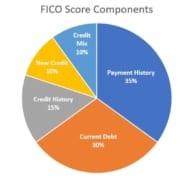
Your credit score plays a crucial role in the home-buying journey. Whether you’re just beginning to think about purchasing a home or already shopping for mortgage options, understanding how your credit impacts the process can help you plan ahead and secure the best possible deal.

Why Credit Scores Matter

Mortgage lenders use your credit score to evaluate how likely you are to repay your loan. The higher your score, the more favorable your terms will likely be. Here’s how your credit score can affect the process.

  • Loan Approval: Most lenders require a minimum credit score to qualify for a mortgage. Conventional loans often require at least a 620, while FHA loans may accept scores as low as 580.

  • Interest Rates: A higher credit score usually results in a lower interest rate, which can save you thousands over the life of your loan.

  • Loan Programs: Some government-backed loans or first-time homebuyer programs may only be available to borrowers with certain credit thresholds.

  • Private Mortgage Insurance (PMI): If your credit score is lower, you may pay higher PMI premiums if you put down less than 20%.

Tips to Improve Your Credit Score

Improving your credit score can take time, but small, consistent steps can make a big difference.

  1. Check Your Credit Reports: Review your reports from all three major bureaus (Experian, Equifax, and TransUnion) to ensure there are no errors or outdated information.

  2. Pay Bills on Time: Payment history makes up a large portion of your score. Set reminders or automate payments to avoid late fees.

  3. Reduce Credit Card Balances: Keep your credit utilization below 30% of your available limit. Paying down high balances can quickly boost your score.

  4. Avoid Opening New Accounts: Each new account triggers a credit inquiry, which can slightly lower your score. Hold off on opening new credit lines during the mortgage process.

  5. Keep Old Accounts Open: The length of your credit history affects your score. Don’t close old cards, even if you don’t use them often.

Final Thought

Your credit score can open doors — or create obstacles — in the home-buying process. By taking control of your credit now, you’ll be in a stronger position when you’re ready to make an offer on your dream home.

Need help understanding how your credit score affects your mortgage options? Reach out — we’re here to guide you every step of the way!

5 Things to Look for When Buying a Home in the Summer

Summer is one of the most exciting times to buy a home in Michigan. The weather is beautiful, school’s out, and more homes are typically available on the market. But while summer brings opportunity, it also comes with a few unique considerations.

At Michigan Mortgage, we’re here to help you navigate the process with confidence. Before you dive into house hunting, here are five key things to look for when buying a home in the summer.

1. Watch for Seasonal Competition

Summer is peak home-buying season, which means more competition. With more buyers shopping at the same time, homes can sell quickly — sometimes with multiple offers.

What You Can Do:
Get pre-approved before you start your search. It strengthens your offer and shows sellers you’re serious.

2. Consider Cooling and Energy Costs

A home may look perfect on a sunny day, but make sure you ask about how well it stays cool in the heat. Michigan summers can be humid, and an outdated cooling system could mean higher utility bills.

Things to ask about:

  • Age and condition of the A/C unit
  • Quality of insulation (especially in the attic)
  • Average summer utility costs

3. Check the Roof, Windows, and Landscaping

Summer weather makes it easier to spot issues outside the home. Look for signs of wear on the roof, windows, siding, and driveway. You’ll also want to check for drainage or grading problems after it rains.

Pro Tip:
If possible, schedule your inspection after a storm to reveal any leaks, pooling water, or foundation concerns.

4. Think About Timing

Buying in the summer often means trying to move before the school year starts or before Michigan’s winter weather returns. Factor in the closing timeline, moving logistics, and any necessary home repairs or updates.

The Good News:
We work hard to ensure your loan closes on time — so you can enjoy your new home without delays.

5. Picture Your Life There — All Year Long

It’s easy to fall in love with a home in the summer sunshine, but don’t forget to think long-term. Ask yourself how the home—and the neighborhood — will fit your lifestyle year-round.

Consider:

  • Winter commute and snow removal
  • Local school and work traffic
  • Access to main roads and necessities in bad weather

Ready to Buy This Summer?

We’re Ready to Help.

Buying a home during the summer can be exciting and efficient with the right support. At Michigan Mortgage, we specialize in helping buyers throughout Michigan find the right loan and close with confidence.

Call us today to get started — or apply online anytime.

Let’s make this your best summer yet.

MSHDA Increases Sales Price Limit – What Does That Mean for You?

Michigan homebuyers, take note — big changes are coming that could make purchasing a home more achievable than ever. Beginning in May 2025, the Michigan State Housing Development Authority (MSHDA) will raise its maximum sales price limit for the first time in over 16 years. Thanks to the passage of HB 5032, this update opens new doors for buyers across the state.

Here’s what you need to know — and how this change could work in your favor.

What’s Changing?

Higher Sales Price Limits
MSHDA’s new guidelines will increase the maximum sales price for eligible single-family homes from $224,500 to $544,233. This significant jump gives homebuyers access to a broader range of properties throughout Michigan, including many that were previously out of reach.

Expanded Eligibility
MSHDA programs have historically been geared toward first-time homebuyers, but that’s changing. Beginning next May, repeat buyers will also be eligible for MSHDA assistance in 82 percent of Michigan counties. This expansion means more buyers, regardless of where they are in their homeownership journey, will be able to take advantage of MSHDA programs.

Flexible Loan Compatibility
MSHDA programs can be paired with a variety of popular loan types, including Conventional, FHA, VA, and RD (Rural Development) loans. This added flexibility allows more buyers to find financing solutions tailored to their specific needs.

Need more information? Fill out this form and our team will be in touch soon!

How This Helps You

Access to More Inventory
The increased price cap opens the door to a larger pool of available homes — giving you more options in more locations and helping you find a home that truly fits your lifestyle and budget.

Up to $10,000 in Down Payment Assistance
MSHDA’s MI Home Loan DPA program offers up to $10,000 to help cover your down payment and closing costs. This can be a game-changer for buyers looking to make a competitive offer without depleting their savings.

Ongoing Tax Savings
Through MSHDA’s Mortgage Credit Certificate (MCC) program, eligible buyers can receive a federal tax credit worth up to $2,000 annually, based on mortgage interest paid. This benefit boosts affordability and adds value for years to come.

Simple, Streamlined Financing
Because MSHDA works seamlessly with a range of loan types, the financing process remains straightforward. And when you work with an experienced lender like Michigan Mortgage, you have a trusted partner guiding you through every step.

What Should You Do Now?

Start Looking at Homes
Explore neighborhoods and listings that will fall within the new sales price limits. With more homes potentially in reach, it’s a great time to refine your search.

Reach Out to Michigan Mortgage
Our team is well-versed in MSHDA programs and how they work. We can help you navigate the changes, understand your eligibility, and secure the right loan for your needs.

Stay Updated
The new sales price limits are expected to take effect in May 2025, once HUD releases updated income guidelines and the IRS announces new safe harbor limits in April. We’ll keep you informed with everything you need to know as the changes roll out.

Final Thoughts

MSHDA’s updated guidelines represent a major win for Michigan homebuyers. Whether you’re purchasing your first home or transitioning to your next, the increased sales price limits and expanded eligibility open the door to more opportunity — and more homes.

At Michigan Mortgage, we’re committed to helping you make the most of it. If you’re ready to learn more or begin your home search, contact us today. We’re here to help you move forward with confidence!

First-Time Homebuyer Loan Options with Michigan Mortgage

Buying your first home is an exciting milestone, but navigating the mortgage process can feel overwhelming. The good news? There are several loan programs designed specifically for first-time homebuyers, many of which offer flexible credit requirements, low down payments, and even financial assistance. At Michigan Mortgage, we specialize in helping first-time buyers understand their options and find the best loan to fit their needs.

FHA Loans – A Great Option for Buyers with Limited Credit

FHA loans are backed by the Federal Housing Administration and are a popular choice for first-time homebuyers. This loan is especially beneficial for those with less-than-perfect credit, as it has more lenient credit requirements compared to conventional loans. One of the biggest advantages of an FHA loan is the low down payment — just 3.5% of the purchase price — making homeownership more accessible.

VA Loans – Exclusive Benefits for Veterans

For military veterans and surviving spouses, VA loans provide an excellent path to homeownership. These loans are backed by the Department of Veterans Affairs and offer significant advantages, including no required down payment and flexible credit requirements. VA loans are one of the best options available for those who qualify, making it easier for service members to achieve their homeownership goals.

USDA Loans – A Zero Down Payment Option for Rural Buyers

If you’re considering buying a home in a more rural area, a USDA loan could be a great fit. Backed by the U.S. Department of Agriculture, USDA loans are available to well-qualified buyers looking to purchase outside of major metropolitan areas. One of the biggest perks? No down payment is required, making this loan an excellent option for buyers who may not have significant savings but want to achieve homeownership in a more affordable location.

Conventional Loans – Ideal for Buyers with Strong Credit

Unlike government-backed loans, conventional loans are provided by private lenders and often require a higher credit score. However, they come with the advantage of lower mortgage insurance costs and flexible loan terms. With a down payment as low as 3%, conventional loans can be a great option for buyers with solid credit who want more flexibility in their financing.

Down Payment Assistance Programs

For first-time buyers who need additional financial support, there are programs that offer down payment assistance, subsidized interest rates, and even grant opportunities. These programs can help lower the upfront costs of purchasing a home, making it easier for buyers to get into their first home without exhausting their savings.

At Michigan Mortgage, we specialize in guiding first-time homebuyers through the process, ensuring they understand their loan options and have the support they need from application to closing. Whether you’re just starting to explore homeownership or ready to buy, our team is here to help. Contact us today to find out which loan option is right for you!

What to Do if You Plan to Buy a Home in 2025

Buying a home is one of the most significant milestones in life, and if 2025 is your year, preparation is key. Whether you’re a first-time buyer or looking to upgrade, having a plan in place can make your journey smoother and more successful. Here are the steps to take now to set yourself up for homeownership in 2025.

1. Assess Your Financial Health

Start by evaluating your current financial situation. Review your income, savings, and debt to determine how much you can afford. Most experts recommend spending no more than 30% of your monthly income on housing costs. Use online mortgage calculators to estimate potential payments and consider all associated costs, like property taxes, insurance, and maintenance.

2. Check and Improve Your Credit Score

Your credit score plays a significant role in determining your mortgage eligibility and interest rate. Check your score through a free credit report service and address any errors or discrepancies. If your score needs improvement, focus on paying down high-interest debt, making payments on time, and avoiding new credit inquiries.

3. Save for a Down Payment

While some loan programs require as little as 3% down, a larger down payment can lower your monthly payment and help you avoid private mortgage insurance (PMI). Set a savings goal and create a budget to allocate funds specifically for your down payment.

4. Research Loan Options

Not all mortgages are created equal. Take time to explore the different types of loans, such as conventional, FHA, VA, and USDA loans. Each has unique requirements and benefits, so it’s essential to understand which one aligns with your financial situation and goals.

5. Build a Trusted Team

Having the right professionals in your corner is crucial. Start by finding a reputable mortgage lender or Loan Officer who can guide you through the pre-approval process. Then, look for a knowledgeable real estate agent familiar with your target market.

6. Understand the Market

Housing markets vary by location, so take time to research trends in your desired area. Are home prices rising? Is inventory limited? Being informed helps you act confidently when the right home comes along.

7. Get Pre-Approved Early

A mortgage pre-approval shows sellers that you’re serious and financially ready to buy. Begin the process in early to know exactly how much you can afford and streamline your search.

By taking these steps now, you’ll be well-prepared to navigate the homebuying process in 2025. Start today, and make your dream of homeownership a reality!

Why Now is the Time to Buy in Michigan

If you’ve been waiting for the right moment to purchase a home in Michigan, the time is now. With market conditions favoring buyers, there’s no better opportunity to make your dream of homeownership a reality. Here’s why acting now can set you up for success in Michigan’s real estate market.

1. Seasonal Market Advantages

Fall and winter often bring a shift in the real estate market. Sellers who keep their homes listed during this time are typically more motivated, which means you’ll have more negotiating power. Whether it’s getting a better deal on the asking price or negotiating closing costs, this season offers unique opportunities for buyers.

2. Strong Michigan Housing Market

Michigan continues to be a strong market for real estate, with affordable housing options and diverse neighborhoods to choose from. From vibrant cities like Grand Rapids and Ann Arbor to charming small towns along the Lakeshore, Michigan offers something for everyone. Buying now allows you to get in before the next wave of market growth.

3. Building Wealth Through Homeownership

Owning a home remains one of the most effective ways to build long-term wealth. With each mortgage payment, you’re investing in your future rather than paying rent to someone else. Michigan’s housing market provides an excellent opportunity to start building equity now and reap the benefits for years to come.

4. Personalized Support From Michigan Mortgage

Our team at Michigan Mortgage is here to make the home-buying process seamless and stress-free. From pre-approval to closing, we’re by your side with expert advice and personalized solutions to meet your needs. Now is the perfect time to leverage our expertise and take the first step toward your new home.

Don’t let this opportunity pass you by. The Michigan housing market is full of possibilities, and acting now ensures you’ll benefit from current conditions. Contact Michigan Mortgage today to get started — your dream home is waiting!

The Benefits of Buying a Home in the Winter in Michigan

Winter in Michigan might not seem like the ideal time to buy a home, but for savvy buyers, it can be the perfect season to secure a great deal. While the snow may deter some, those who are willing to brave the cold can enjoy several advantages that make winter one of the best times to purchase a home in the Great Lakes State.

1. Less Competition Among Buyers

The housing market tends to slow down in the winter as many people wait for spring to start their home search. This seasonal dip in demand means fewer buyers competing for the same properties. With less pressure, buyers are more likely to negotiate favorable terms without the stress of bidding wars.

2. Motivated Sellers

Sellers with homes listed in the winter often have strong reasons for moving, such as job relocations or life changes. This urgency can lead to greater flexibility during negotiations. Buyers may find motivated sellers more willing to lower their price, cover closing costs, or agree to other concessions.

3. Faster Transactions

Since winter is a slower season for the real estate industry, professionals like lenders, home inspectors, and appraisers tend to have lighter workloads. This can result in faster transaction times, helping buyers close on their homes more quickly than during busier months.

4. Better Deals on Movers and Services

Winter is also an off-peak season for moving companies and other related services. Buyers can often secure lower rates and more availability for movers, contractors, and utility services, making the transition to a new home more affordable and less stressful.

5. Get a True Feel for the Home

Viewing homes in Michigan’s winter weather provides valuable insight into how properties hold up in cold temperatures. You can observe how well the heating system works, check for drafts, and see how snow is managed on driveways and walkways. These factors are critical for living comfortably in Michigan’s winters.

6. Tax Benefits

If you close on your home before the year ends, you may qualify for certain tax deductions, such as mortgage interest and property taxes, which can reduce your tax bill.

Buying a home in the winter might require bundling up and navigating icy roads, but the benefits often outweigh the challenges. With less competition, motivated sellers, and a better understanding of your home’s winter performance, it’s a season worth considering for your next purchase. Winter in Michigan isn’t just about snowflakes—it’s an opportunity to find the home of your dreams.

Why Now is a Great Time to Buy or Sell a Home

As the year winds down, many potential buyers and sellers wonder if it’s worth pursuing a real estate transaction before the holidays. Surprisingly, buying or selling during this season can actually work in your favor. Here’s a quick look at the unique benefits of making a move right now.

For Buyers: Less Competition, Better Deals

One of the biggest advantages for buyers at this time of year is the reduced competition. Many people avoid moving during the holiday season, which means you’ll face fewer bidding wars and have more time to evaluate properties that interest you. Fewer buyers also mean motivated sellers may be more flexible on price or willing to negotiate. Plus, interest rates tend to stabilize around this time, providing a valuable opportunity to secure a mortgage before any potential rate increases in the new year.

For Sellers: Serious Buyers and a Cozy Appeal

If you’re selling your home, the buyers that are looking now are usually serious and ready to make decisions. They often want to settle into a new place before the year ends, making them more motivated to close quickly. Additionally, homes often look more inviting during the holiday season. A warm, cozy interior with tasteful holiday decorations can evoke feelings of comfort and stability, helping potential buyers picture themselves living there. The holiday ambiance can make your home stand out and leave a lasting impression.

Potential Tax Benefits

For both buyers and sellers, there are potential tax advantages to closing a deal before the end of the year. Buyers might be able to deduct mortgage interest, property taxes, and points on their upcoming tax return. Sellers, on the other hand, may be eligible for capital gains exemptions. Closing a deal before December 31st could offer financial perks that won’t be available next year.

Time for a Fresh Start

Buying or selling now allows you to start the new year in a new home or with the fresh financial benefits of a sale. It’s a perfect time to consider a move, allowing you to turn the page and create new goals and memories for the upcoming year.

This season presents unique opportunities that can benefit both buyers and sellers, so if you’ve been considering making a change, now might be the perfect time to take action.